The defence The Arthouse Gremlin
“Its refusal to behave is the point.”
The strange choices create the kind of friction that follows you out of the theatre and into the argument.
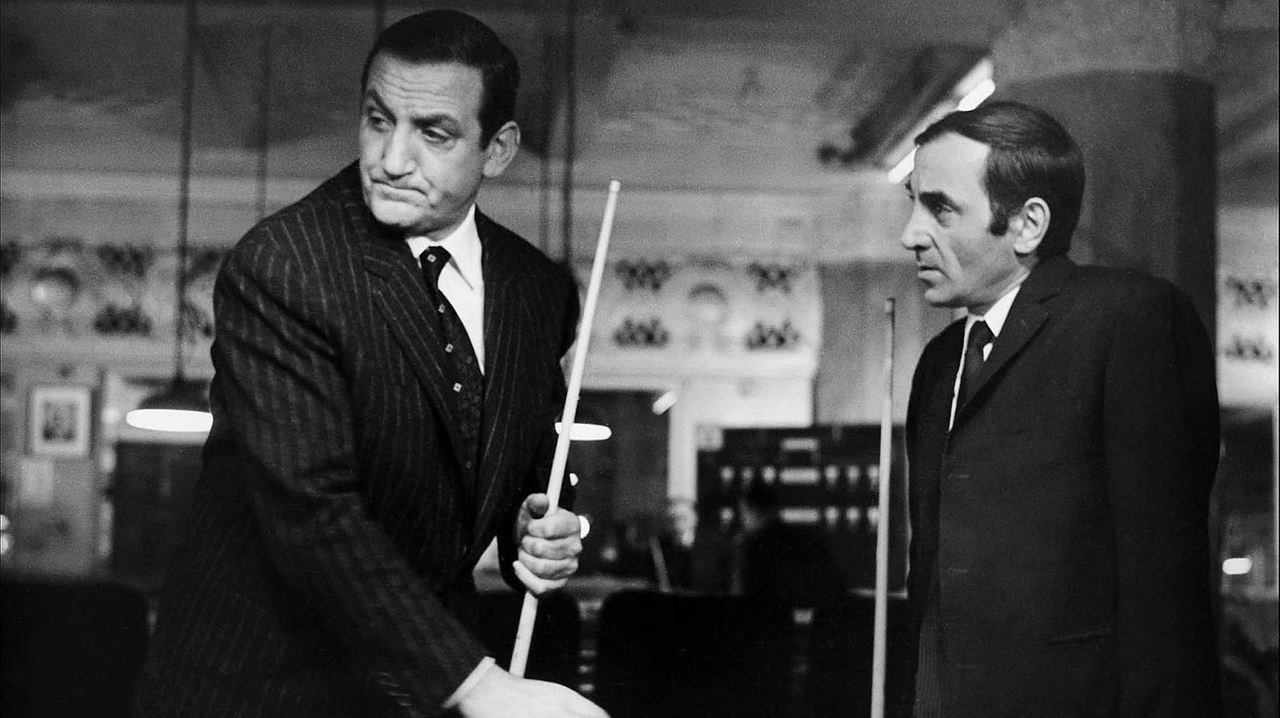
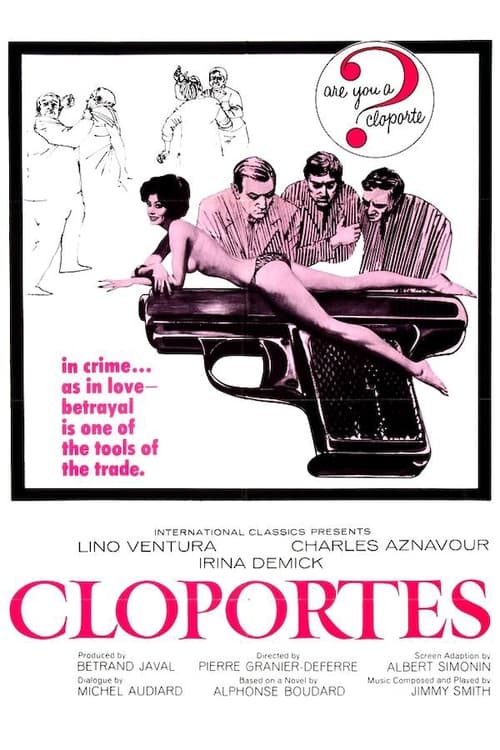
Cloportes
Comedy · Crime · 1965
Three little criminals get a tip for a great coup with lots of money in it. Unfortunately they lack the starting funds to buy the required welding torch. So they persuade their successful colleague Alphonse to join their team. But the well thought-out coup fails, and Alphonse is the only one of them who ends up in jail for several years. When he's released, he's out for revenge.
Critical arithmetic
Scores change. Arguments endure.
TMDB
6.3 / 10
Community rating
Three little criminals get a tip for a great coup with lots of money in it. Unfortunately they lack the starting funds to buy the required welding torch. So they persuade their successful colleague Alphonse to join their team. But the well thought-out coup fails, and Alphonse is the only one of them who ends up in jail for several years. When he's released, he's out for revenge.
Not a recommendation score. A measure of how closely the film’s taste signals resemble yours.
The archetype split
The Arthouse Gremlin
“The stranger, the better.”
Read their caseThe Popcorn Loyalist
“Big screen, big feelings, no apologies.”
Read their objectionThe split comes from the same five-axis model used by the test, not audience ratings or review sentiment.
TMDB supplies the candidates. CriticWise reorders them by craft, strangeness, prestige, emotion, and pace.
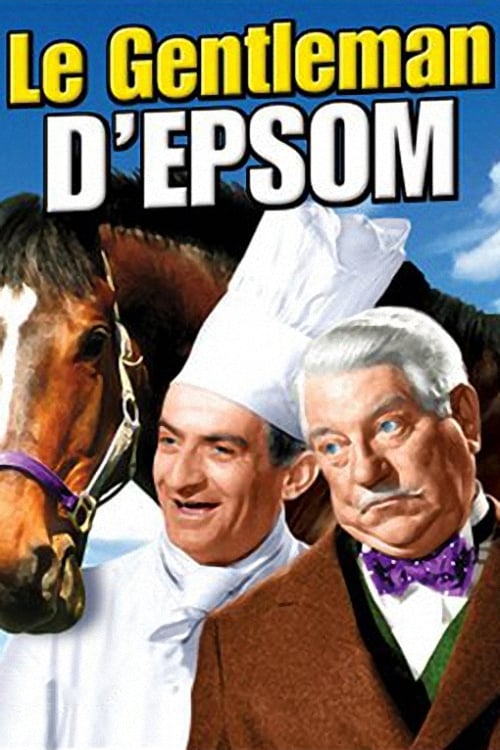
The Gentleman from Epsom
Comedy · 1962
The story takes place in the racecourses around Paris. A so-called major sells his tips to naive characters.
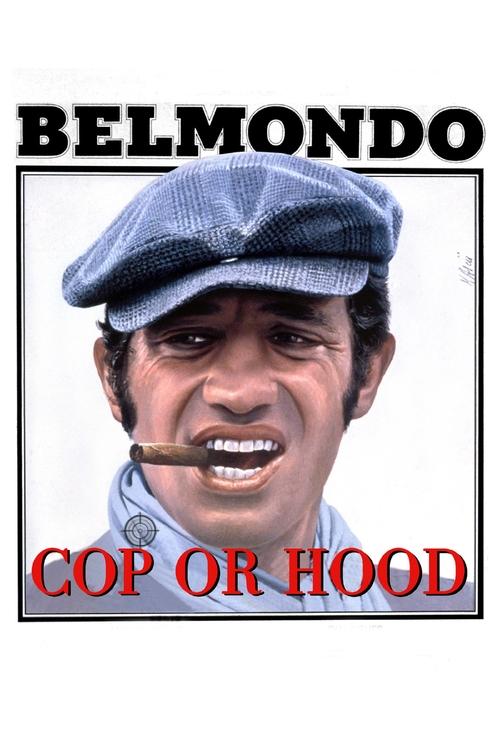
Cop or Hood
Comedy · 1979
When the local police inspector was found dead in a prostitute's house, police division commissioner Stan Borowitz is sent to investigate the situation. Posing as the prostitute's long-lost brother "Antonio Cerruti," he discovers a mare's nest of police corruption. In fact, in this comedy thriller the whole town is corrupt. If they were closely examined, Stan's methods for pursuing this investigation might embarrass the police. For instance, he drives into a criminal's house in a fancy, expensive race car. In another incident, he callously blows up a casino owned by Musard , one of the town's crime bosses. On that occasion, he first forces Musard to remove his clothes, and the poor criminal watches his casino explode from across the square while standing naked in a phone booth. Meanwhile, Stan seduces the lovely Edmonde.

Let's Not Get Angry
Crime · 1966
One-time gangster Antoine is enjoying retirement on the coast, now managing a boating club. He receives a visit from a former accomplice who asks for a loan. The money will be repaid by a crook who is now in hiding; Antoine intends to recover his money.
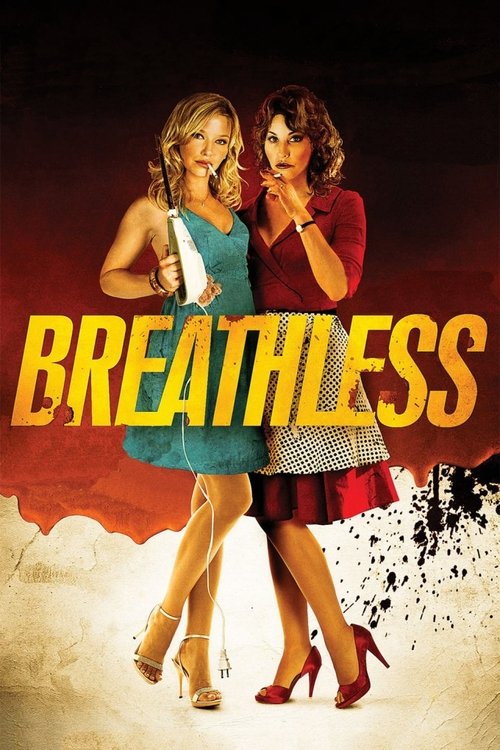
Breathless
Comedy · 2012
Lorna is a strong-willed Texas woman who’s had enough of her untrustworthy husband Dale’s criminal acts and lack of husbandry. Fed up, she enlists the help of her old friend, Tiny, to help her figure out what to do with Dale after his latest double-cross involving the theft of $100,000 from a bank.

Bon Cop Bad Cop 2
Action · 2017
Ward and Bouchard must face an important car theft ring that turns out to be a lot more than they bargained for: one where the stolen cars will serve as bombs in a well planned terrorist attack.
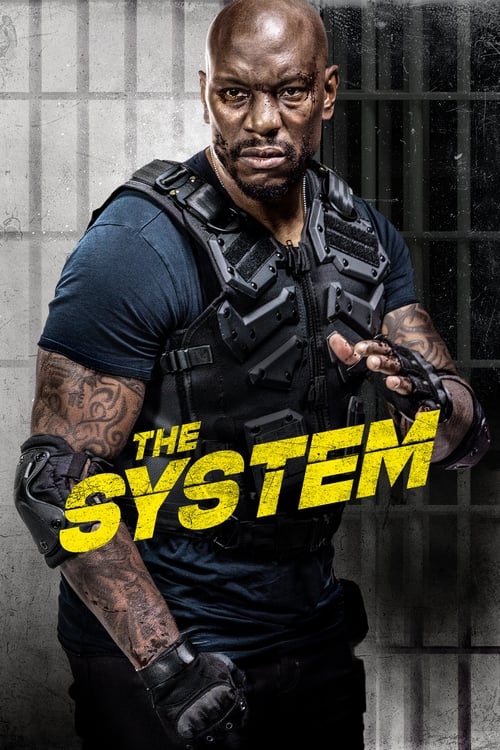
The System
Action · 2022
When a young soldier, newly returned from war, gets caught up in a drug bust, he is recruited by the authorities to go undercover in a notoriously dangerous prison in order to figure out what is really going on.
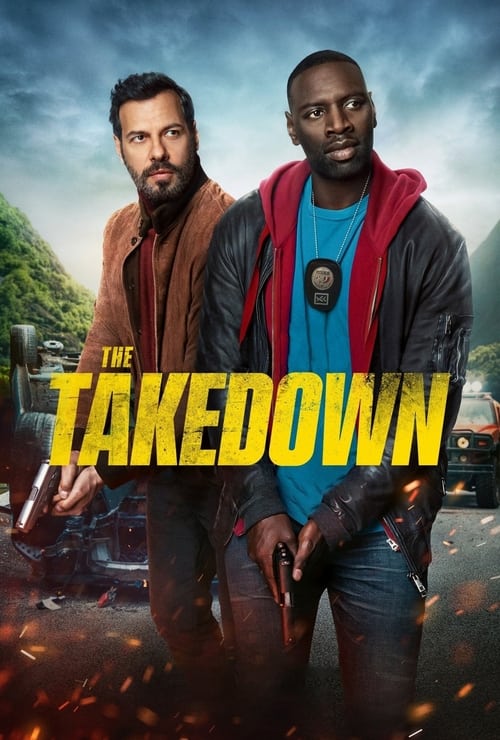
The Takedown
Comedy · 2022
Ousmane Diakité and François Monge are two cops with very different styles, backgrounds and careers. The unlikely pair are reunited once again for a new investigation that takes them across France. What seemed to be a simple drug deal turns out to be a much bigger criminal case wrapped in danger and unexpected comedy.
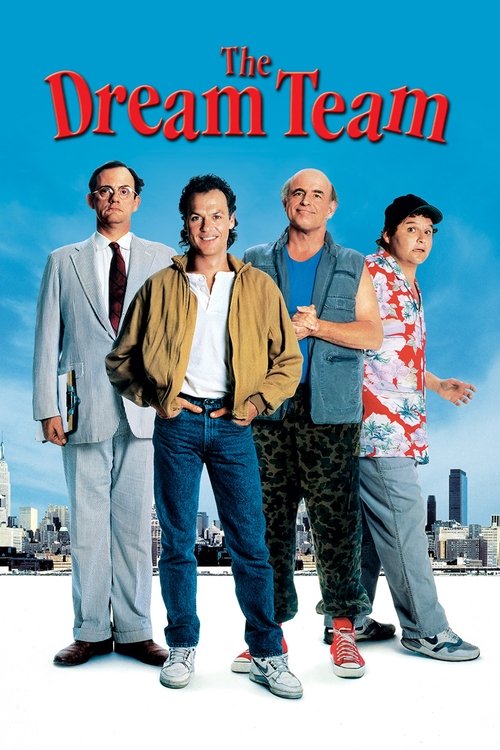
The Dream Team
Comedy · 1989
Four mental patients on a field trip in New York City must save their caring chaperone, who ends up being taken to a hospital in a coma after accidentally witnessing a murder, before the killers can find him and finish the job.
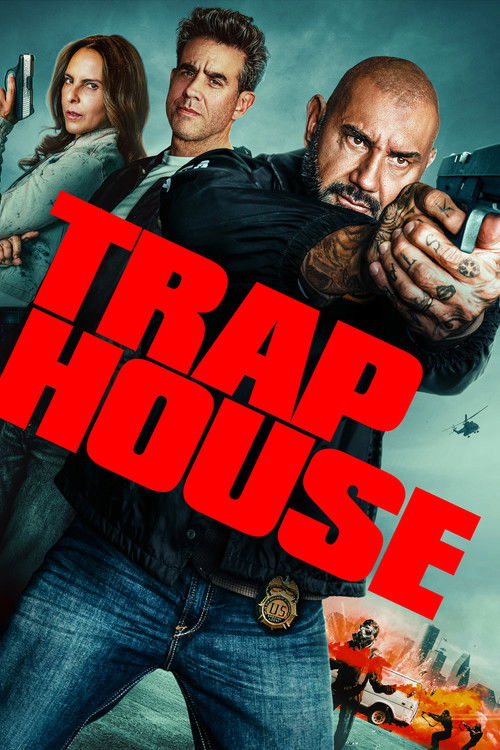
Trap House
Action · 2025
An undercover DEA agent and his partner embark on a game of cat and mouse with an audacious, and surprising group of thieves – their own rebellious teenagers, who have begun robbing from a dangerous cartel, using their parents' tactics and top-secret intel to do it.
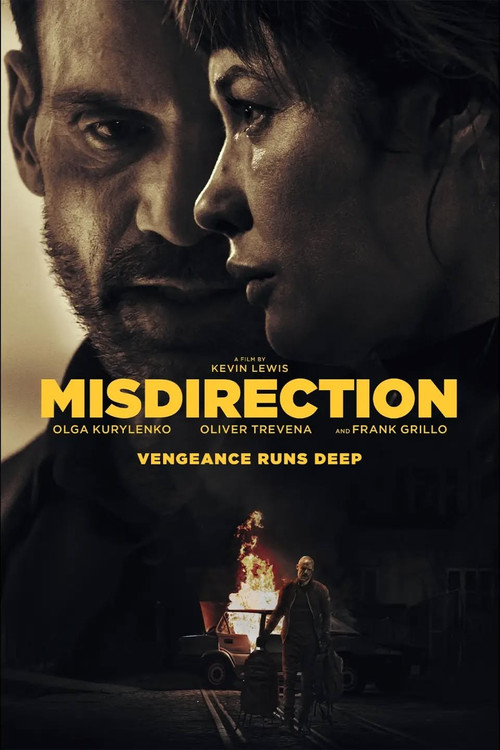
Misdirection
Action · 2026
A desperate couple have pulled off a string of high-end break-ins to pay off a mob debt. When they attempt to rob their latest victim, they find themselves caught in a deadly game of cat and mouse. The tables are turned and the hunters become the hunted.
Cinema release signals and current streaming, rental, and purchase options for your region.
Streaming availability data supplied by JustWatch.
Cast & crew
Directed by
Pierre Granier-Deferre
Written by
Pierre Granier-Deferre · Albert Simonin · Michel Audiard

Lino Ventura
Alphonse Maréchal aka 'Le Malin'

Charles Aznavour
Edmond Clancul aka 'Le Naïf'

Irina Demick
Catherine Verdier, manager of an art gallery
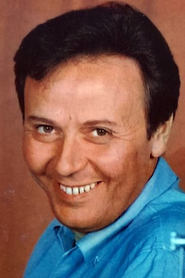
Maurice Biraud
Arthur aka 'Le Mou'

Georges Géret
Joseph Rouquemoute aka 'Le Rouquin'

Pierre Brasseur
Demuldère aka 'Tonton le Brocanteur', receiver

Françoise Rosay
Gertrude, supplies specialist in the mafia
Two incompatible taste archetypes. One film. Read the arguments, then issue a completely binding cultural ruling.
“Its refusal to behave is the point.”
The strange choices create the kind of friction that follows you out of the theatre and into the argument.
“Oddness is not depth.”
A film can break every rule and still leave nothing behind but the memory of how hard it tried to be singular.